
Our story7 min read
From a Weekend in Lonavala to a Ghee Brand: The Snehprabha Foods Story
How a family weekend in Lonavala became Snehprabha Foods Co., and what sets cultured Gir cow ghee apart: the culture, the method and the published lab results.
- Written by
- Snehprabha Foods Co.
- Published
- Last updated
- Length
- 1,460 words

Snehprabha Foods Co. began the way many good ideas do: with a conversation nobody had planned. That conversation led to a cultured Gir cow ghee, a new company, and a second career for the family behind it. This is how it happened, and what sets cultured ghee apart.
A weekend in Lonavala
Mrs. Preeti Bhatawdekar and Mr. Prasannaraj Bhatawdekar, the founders of Snehprabha Foods Co., were spending a weekend in Lonavala with Dr. Mukesh Vinze and his family. Dr. Vinze is the Managing Director of ABsource Biologics Private Limited, a company with 11 years of experience in developing bacterial cultures for dairy. Its cultures are used by more than 500 dairy businesses across India.
During one of their conversations, Dr. Vinze mentioned something the Bhatawdekars had never heard of: a new kind of ghee, still in its final trials, made with ABsource’s own proprietary bacterial culture. In other words, a cultured ghee.
The timing could not have been better. The Bhatawdekars were already thinking about stepping away from their corporate careers, and were weighing up what to do next. Dr. Vinze’s news caught their interest, and what began as holiday small talk soon turned into a serious conversation about bringing the ghee to market.
Testing cultured ghee at home
Over the next two to three months, the couple cooked with the cultured ghee at home and shared small samples with a handful of neighbours in their apartment building.
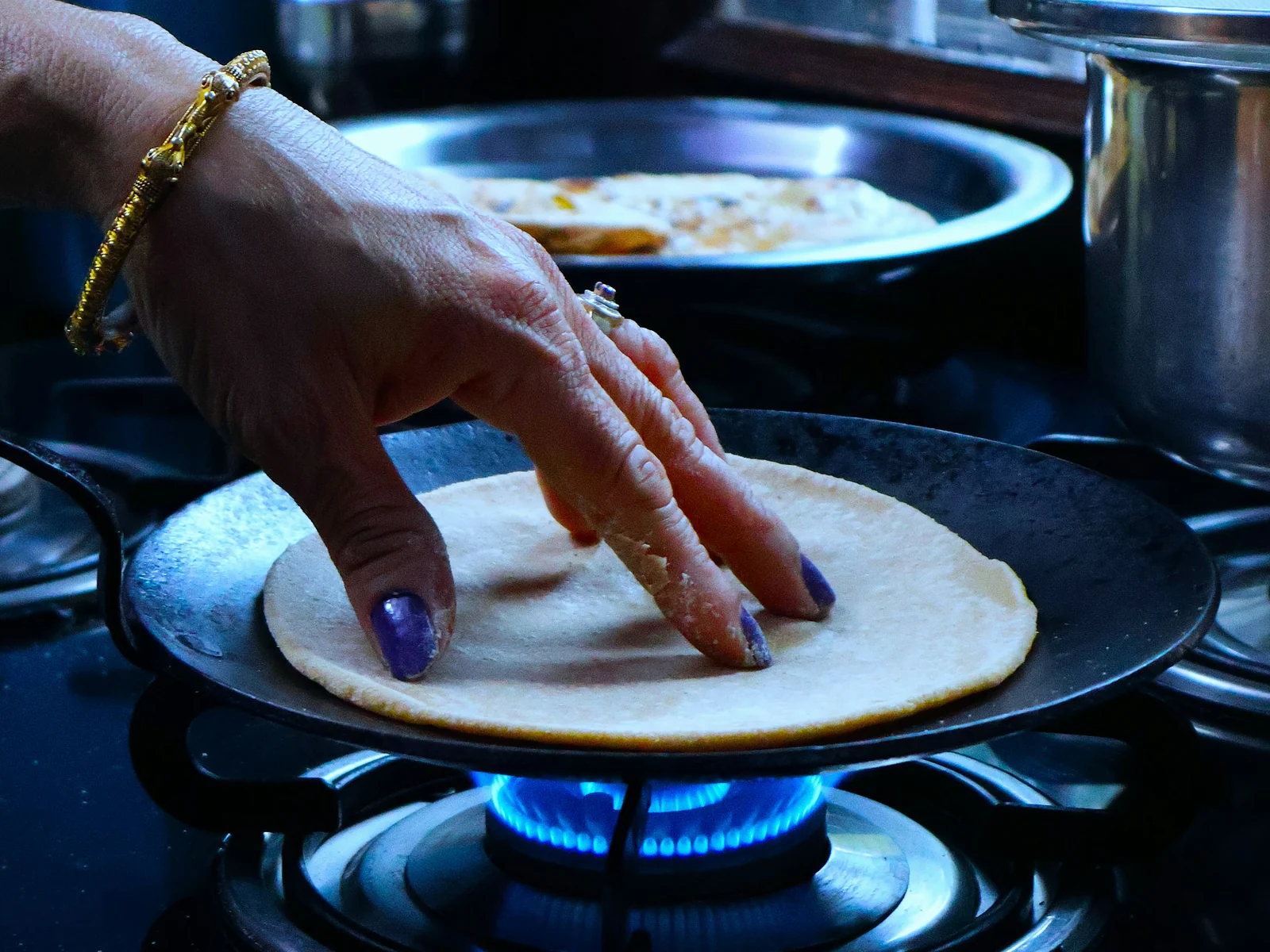
The response was encouraging, both from their own cooking and from the neighbours who tried it. That gave them the confidence to take the next step, from curious customers to people who wanted to market and distribute the product themselves. They went back to Dr. Vinze with a clear proposal to take it further.
How Snehprabha Foods Co. was born
The conversations that followed ended in an agreement between the Bhatawdekars and Dr. Vinze. The cultured Gir cow ghee would come to market, not through ABsource Biologics, but through an independent company set up for that purpose.
In April 2026, Snehprabha Foods Co. was formally established as a sole proprietorship, led by Mrs. Preeti Bhatawdekar. The ghee is sold as AB704 Cultured A2 Gir Cow Ghee, named after the culture that makes it. ABsource Biologics owns the brand and develops the culture, Gauprapti Milk and Milk Products in Pune manufactures it, and Snehprabha Foods Co. markets and distributes it. All three companies are printed on the jar, each with its own FSSAI licence number.
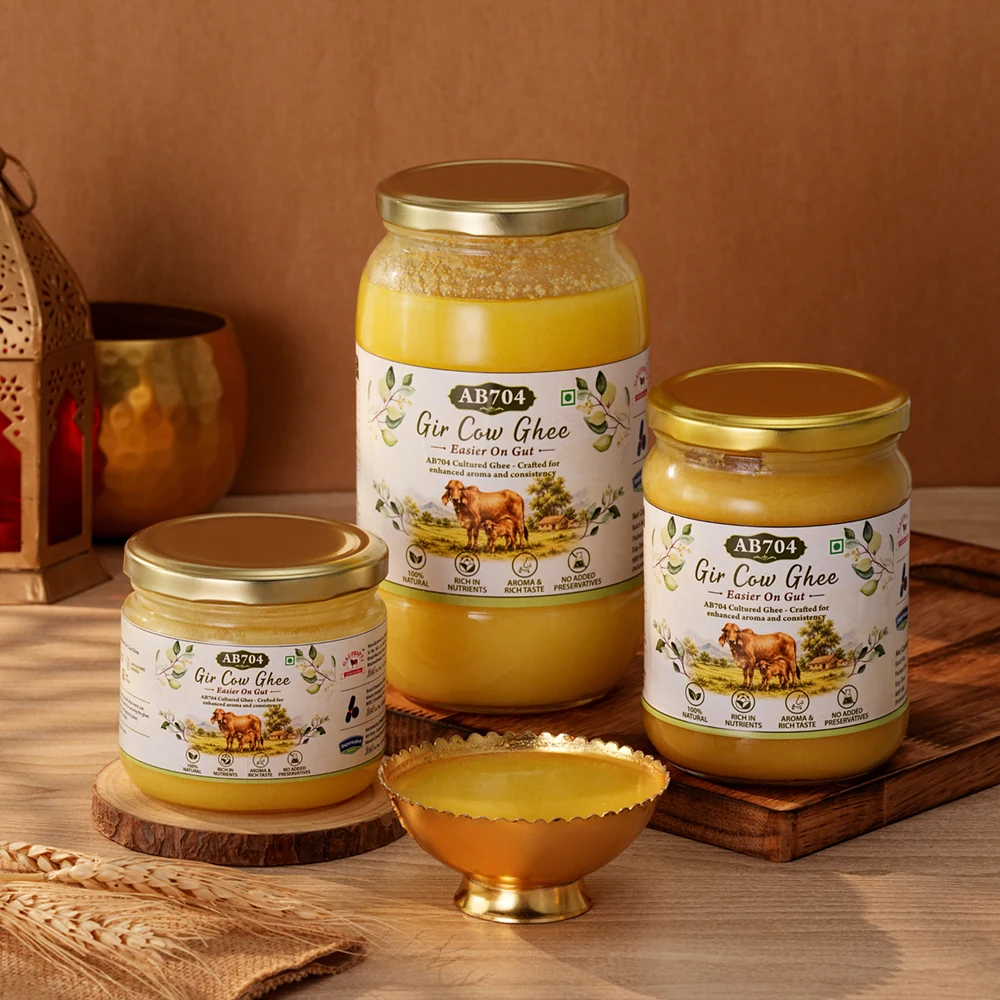
There is no shortage of premium ghee brands in India, and a new dairy startup has to earn trust from scratch. So Snehprabha set out to stand out with evidence rather than adjectives: the label facts, the full supply chain and the complete laboratory report, all published for anyone to read.
What is cultured ghee?
Cultured ghee is ghee made from cream that has been fermented with a bacterial culture before it is heated and clarified. Much of the ghee sold today skips that step and clarifies fresh cream or butter directly, because it is quicker.
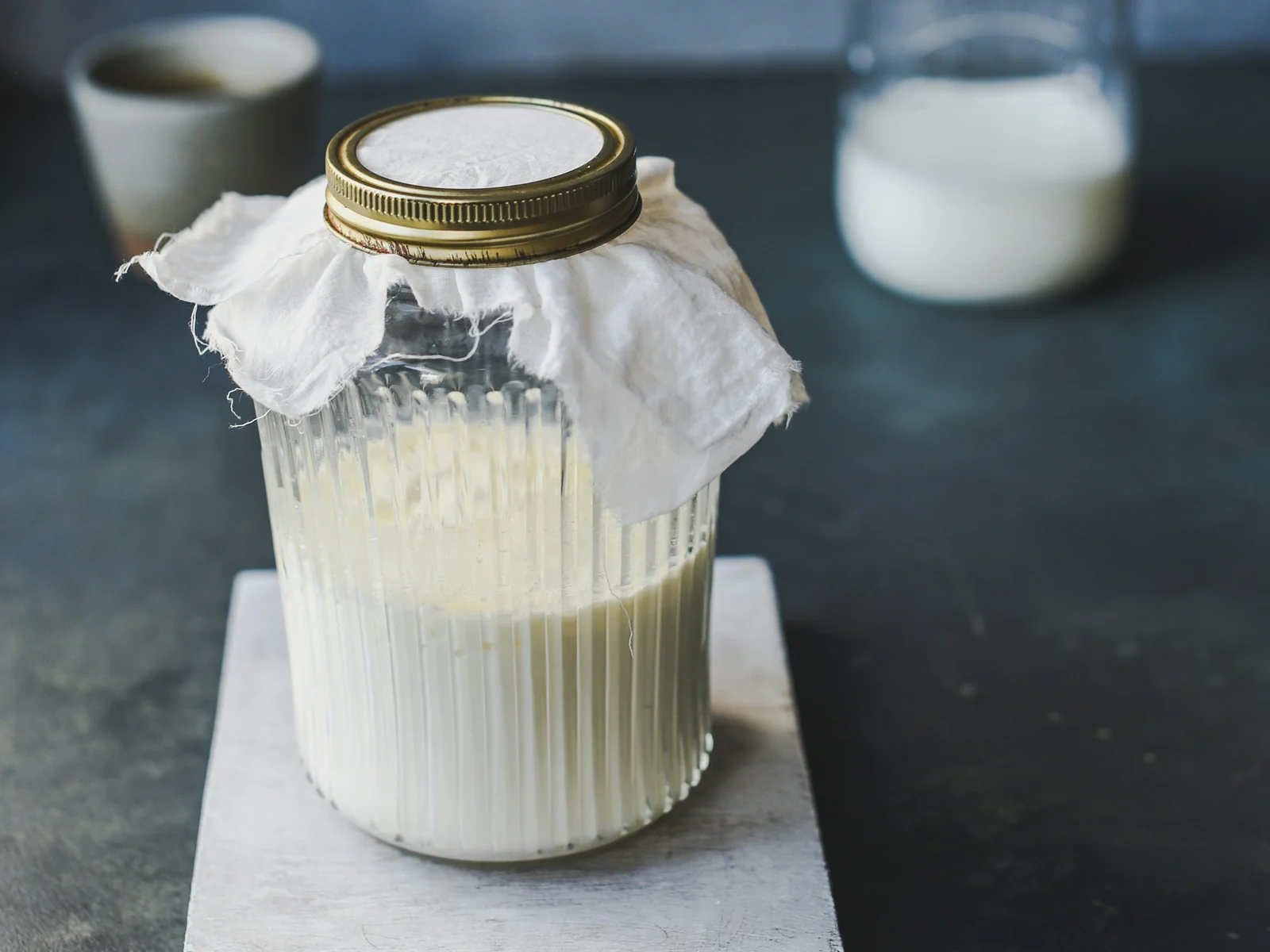
The idea itself is old. Traditional Indian ghee was rarely made from fresh cream. Milk was set into curd, the curd was churned into butter, and only then was the butter clarified. Cultured ghee keeps that fermentation step, but uses a defined culture, so the culture behaves the same way in every batch.
For AB704, that culture is a Direct Vat Set (DVS) culture developed by ABsource Biologics. DVS cultures are concentrated, freeze-dried lactic acid bacteria that go straight into the vat, so no starter has to be grown first. You may also see this kind of product described as bacterial culture ghee. It means the same thing.
How is cultured ghee made?
Every producer has its own process. This is how AB704 cultured Gir cow ghee goes from milk to jar.
1. It starts with Gir cow milk
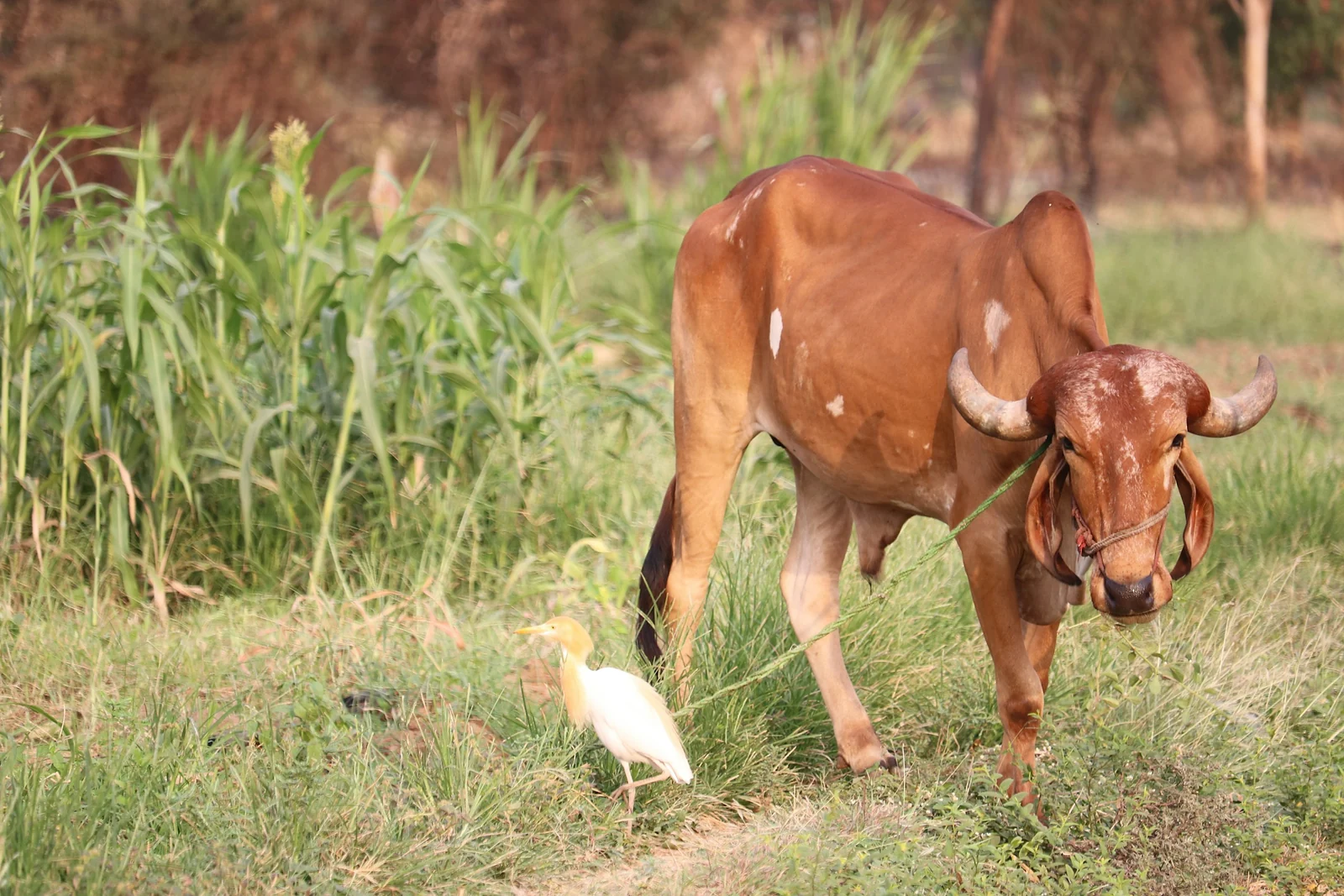
The milk comes from Gir cattle, one of India’s oldest recognised breeds, from the Saurashtra region of Gujarat. Gir milk carries the A2 beta-casein variant. That is a fact about the milk, not a health claim, and it is where this ghee begins.
2. The culture goes in
The AB704 DVS culture is added to the cream. Because it is a defined, freeze-dried culture rather than a spoonful of yesterday’s curd, it works the same way every time.
3. The cream is left to culture
The bacteria work through the cream before any heat is applied. This is where much of the aroma comes from, and it is the step that quicker methods leave out. The AB704 label describes the result as crafted for enhanced aroma and consistency.
4. Clarified, jarred and tested
The cultured cream is heated until the water cooks off and the milk solids separate, leaving clear, golden ghee. It is jarred, and a sample goes to an external laboratory. The AB704 sample came back from FHHL Private Limited with 65 test entries, and every one of them is published on our science page, including the results that prove nothing either way.
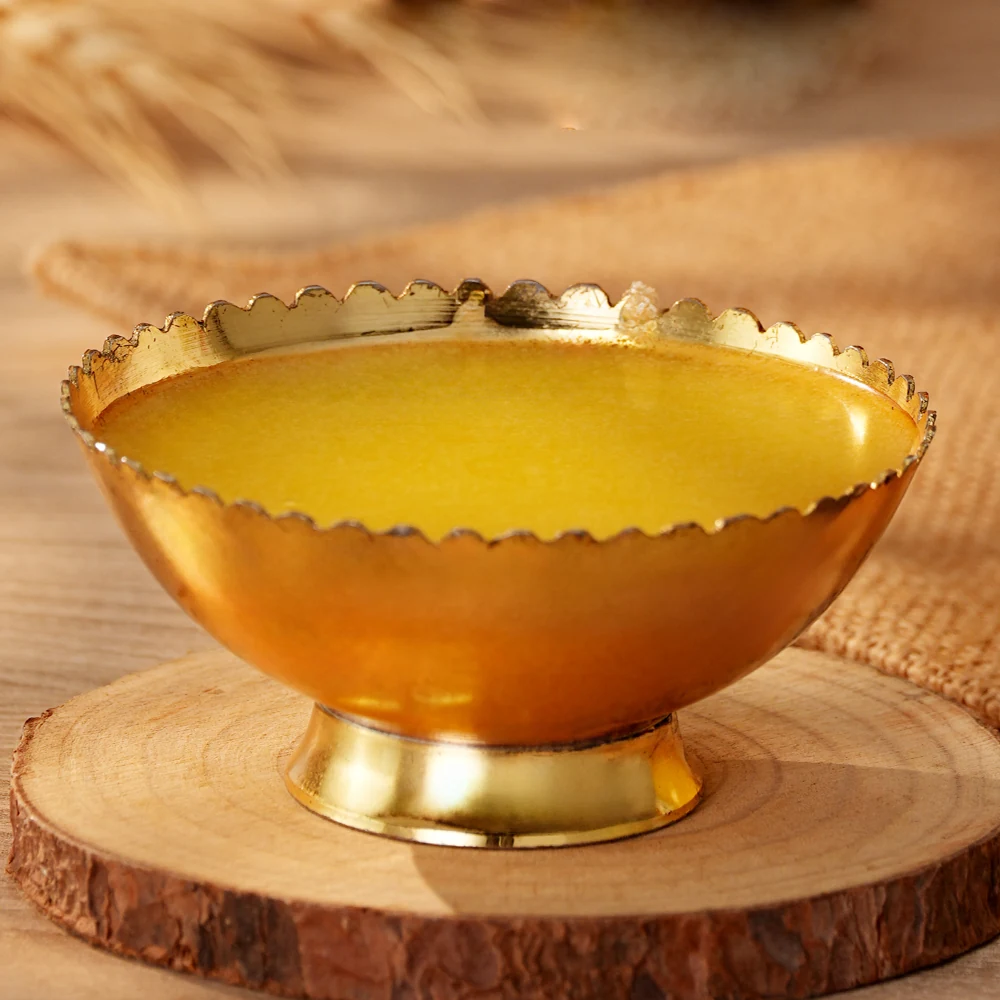
Traditional ghee vs cultured ghee
The terms get used loosely, so here is how the three common ways of making ghee compare.
| Compared on | Traditional homemade | Direct from cream or butter | Cultured with a DVS culture |
|---|---|---|---|
| Starting point | Milk set into curd, then churned into butter | Fresh cream or butter | Cream fermented with a known culture |
| Fermentation | Yes, with a home starter | No | Yes |
| What sets it | Curd saved from an earlier batch | Nothing | A freeze-dried culture, such as AB704 |
| Batch to batch | Varies with the starter and the season | Depends on the producer | The culture behaves the same way every time |
Neither the table nor the word “cultured” on a pack tells you whether a particular ghee is any good. For that, check which milk it is made from, read the ingredients line, look for FSSAI licence numbers on the label and, where a brand publishes them, read the laboratory results.
From a family weekend to kitchens across India
What began as a passing remark on a family weekend is now a company with a clear aim: to bring carefully made, scientifically cultured ghee to households across the country.
If you would like to try it, AB704 comes in 250 ml, 500 ml and 1000 ml jars. The product page has the prices and every label fact, and our story explains why we built the company around evidence.
Frequently asked questions
How is cultured ghee different from regular ghee?
Much of the ghee sold today is clarified straight from cream or butter. Cultured ghee is made from cream that has first been fermented with a bacterial culture. That extra step takes longer, and it is where much of the ghee’s aroma comes from.
What are the benefits of Gir cow ghee?
Gir cow ghee is made from the milk of Gir cattle, an indigenous Indian breed whose milk carries the A2 beta-casein variant. People choose it for its flavour in everyday Indian cooking and to support indigenous dairy. Like all ghee, it has had its milk solids removed, so it keeps well and handles the high heat of a tadka. We do not make medical claims about it, and any health question is best taken to a doctor or a dietitian.
Who makes Snehprabha’s cultured ghee?
AB704 is manufactured by Gauprapti Milk and Milk Products in Pune, using a DVS culture developed by ABsource Biologics, which also owns the brand. Snehprabha Foods Co. markets and distributes it. All three companies hold FSSAI licences, and all three are printed on the jar.
How do I choose the best cultured ghee brand in India?
Look past the word on the front of the pack. Check which milk the ghee is made from, whether the brand names its culture, whether every company in the supply chain is printed on the label with an FSSAI licence number, and whether laboratory results are available to read. We publish all of ours on the science page, so you can hold us to the same standard.
Where can I buy Snehprabha Foods cultured ghee?
Order AB704 directly from us on WhatsApp at +91 7779042452, or use the Order buttons on the product page. It comes in 250 ml (Rs 800), 500 ml (Rs 1,650) and 1000 ml (Rs 3,200), with prices inclusive of all taxes.