Snehprabha Foods Co.
Indigenous dairy, cultured with science.Purity shouldn’t be
a promise.
It should be inspectable.
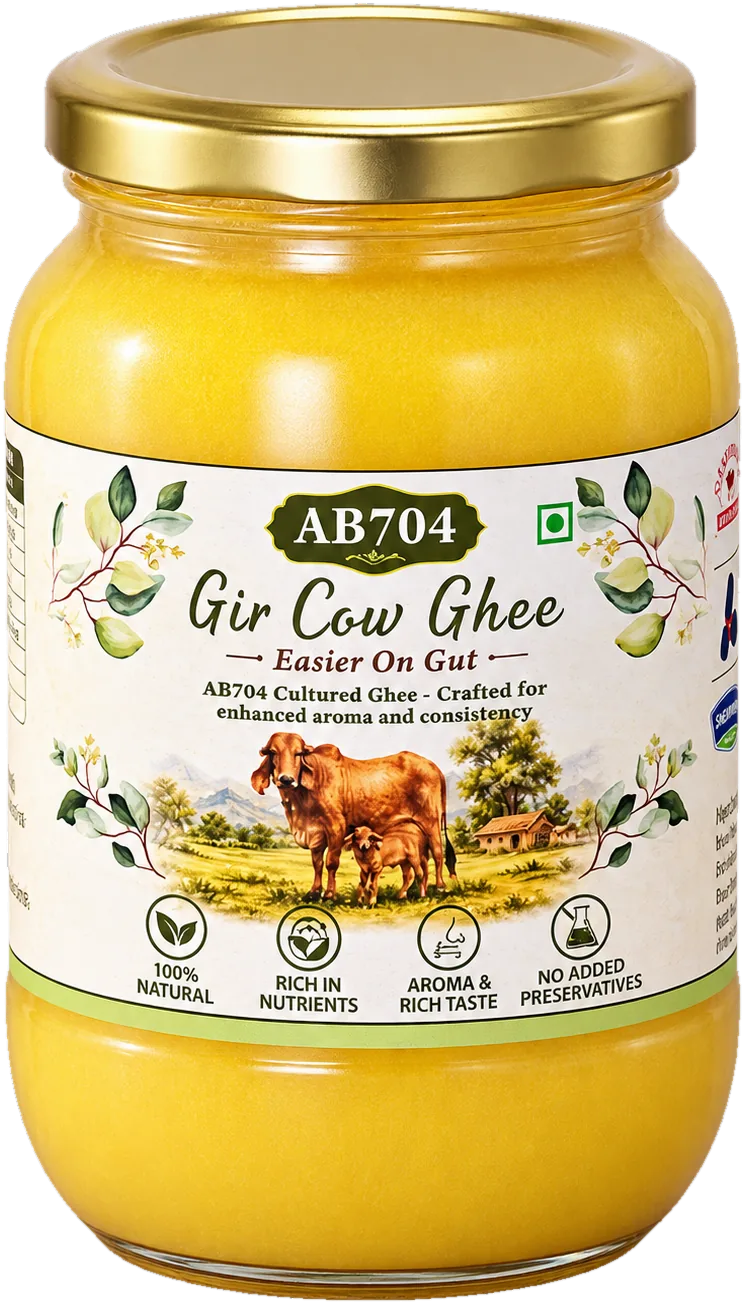
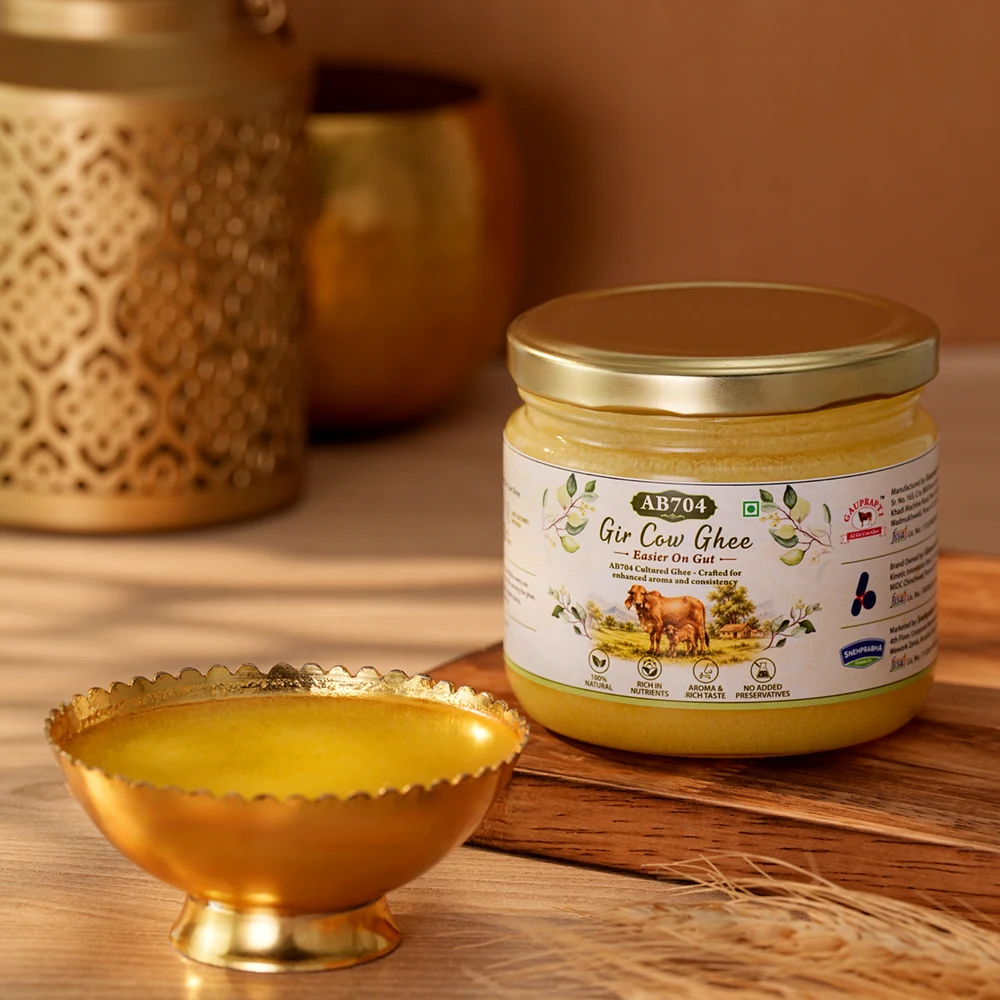
Snehprabha Foods Co. markets scientifically cultured indigenous dairy, and puts the evidence where you can read it. Our first product, AB704 Cultured A2 Gir Cow Ghee, comes with all 65 of its laboratory test entries published and explained.
- What we make
- Cultured indigenous dairy
- Supply chain
- Named on the pack
- Laboratory testing
- 65 entries, published
- FSSAI licence
- 11526014000199
02What we do
Dairy made the older way, and shown in full.
Snehprabha Foods Co. sources, markets and distributes scientifically cultured indigenous dairy. We work with specialist partners and name every one of them on the pack: the company behind the culture, the dairy that makes the product, and us.
A lot of what reaches the dairy shelf is made the quickest way available. What we sell takes the older route, where the milk is cultured before anything else is done with it. It is slower, and it is where the aroma and the character come from.
Then we have it tested by an external laboratory and publish the results line by line, including the ones that prove nothing either way. Our first product, AB704 Cultured A2 Gir Cow Ghee, is where that begins.
03From milk to jar
Four steps. Two of them are older than any of us.
01
Where it starts
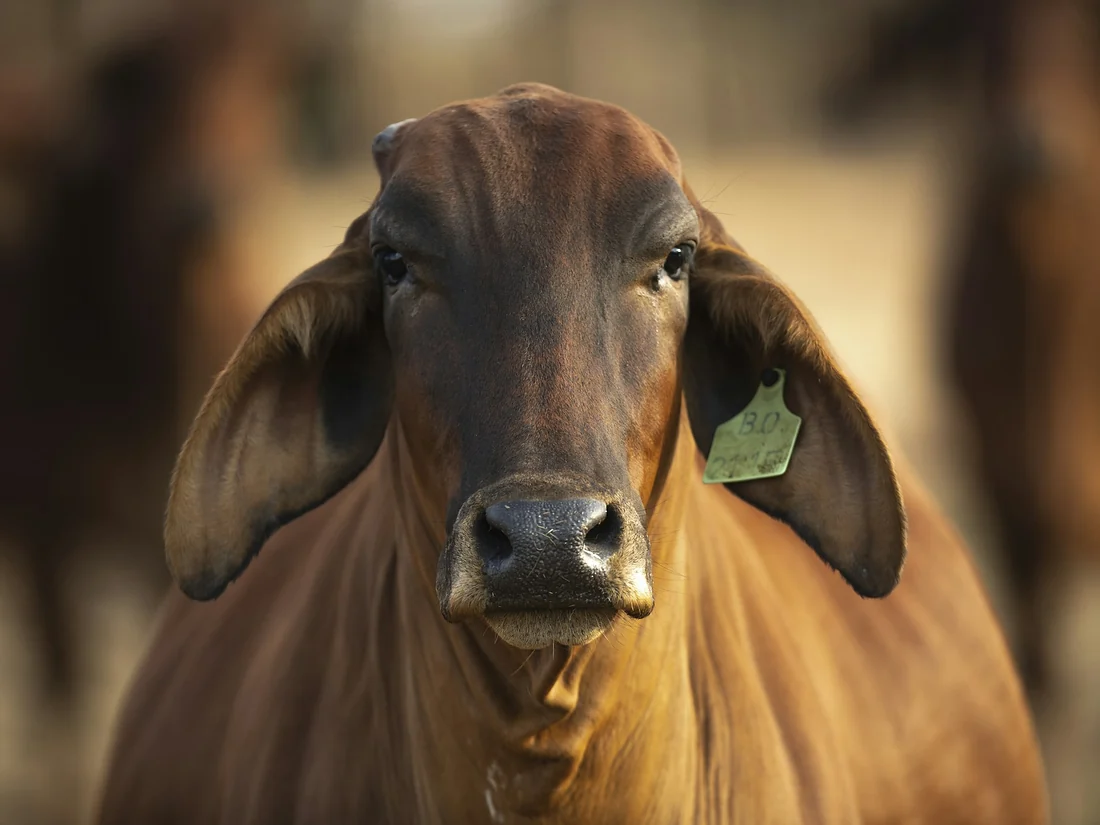
Gir cow milk
AB704 is made from the milk of Gir cattle, an indigenous Indian breed whose milk carries the A2 beta-casein variant. That is a fact about the milk, not a health claim, and it is where the difference in this ghee begins.
02
What is added
The AB704 culture
DVS stands for Direct Vat Set. These are concentrated, freeze-dried lactic acid bacteria added straight to milk or cream to ferment it. AB704 is the proprietary DVS culture developed by ABsource Biologics, and the reason this product carries its name.
DVS
Direct Vat Set
Freeze-dried lactic acid bacteria, added straight to the vat. No starter has to be grown first, so the same culture behaves the same way in every batch.
03
What happens
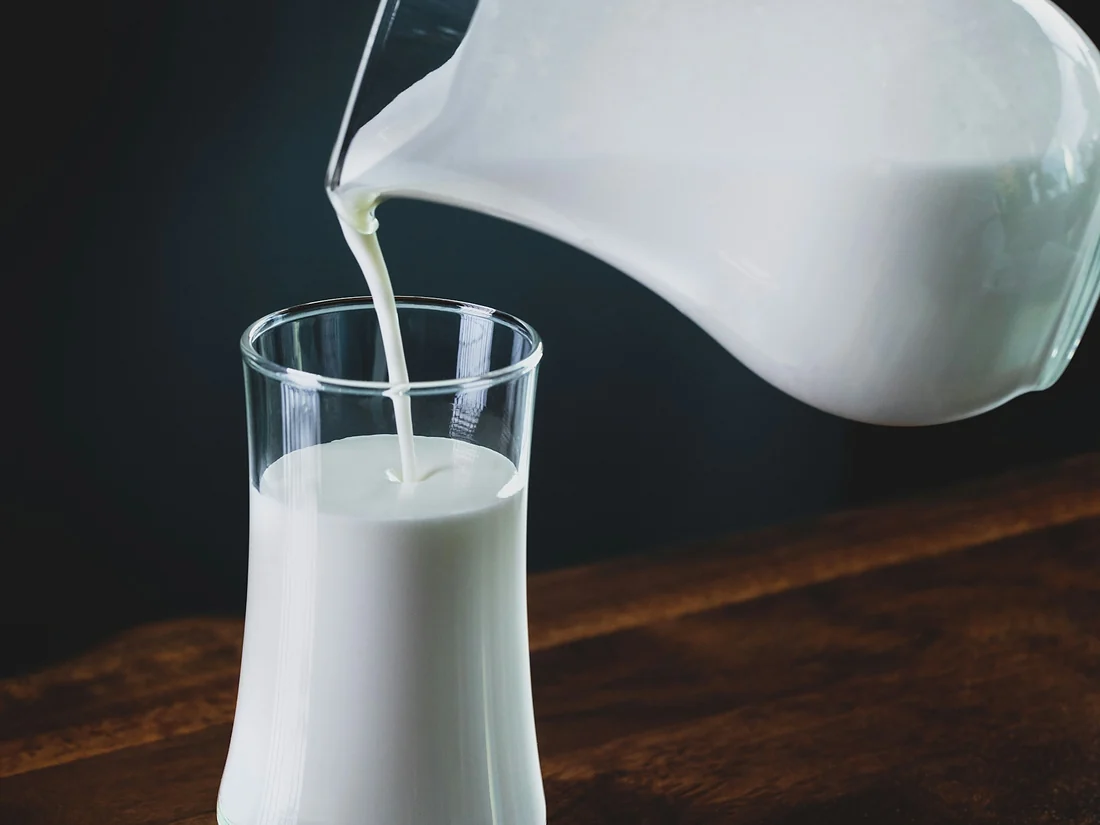
Culturing
The culture works through the cream before any heat is applied. Fermentation changes what the fat is carrying, which is why cultured ghee smells and tastes unlike the quicker, uncultured kind. The label calls it crafted for enhanced aroma and consistency. That is the whole of the claim.
04
What we do next
Ghee, and then the lab
The cultured cream is clarified into ghee, jarred, and a sample goes to an external laboratory. Sixty-five test entries come back. We publish them, including the ones where no limit was specified and nothing can be concluded.

04Our testing
We would rather show you the data than describe it.
We have what we sell tested by an external laboratory, and we publish what comes back. One sample of AB704 Cultured A2 Gir Cow Ghee went to FHHL Private Limited and returned 65 test entries across two reports: fatty acids chain by chain, the adulterants ghee is usually cut with, and the bulk chemistry that says what the fat is. The main results are below.
6
Nothing turned up that should not be there
Six tests go looking by name for what ghee gets cut with: petroleum oil, beef and mutton fat, argemone, vegetable sterols. Every one came back clear.
13
Every reading with a set band came in inside it
Thirteen of the measurements have a range the standard expects a real cow ghee to fall in. AB704 landed inside all thirteen, none of them scraping an edge.
46
And these prove nothing, so we say so
46 of the 65 entries have no limit set against them at all. They are published anyway. Leaving them out would make the rest look better than it is.
The checks that matter most, first. Open any row to see what the test looks for and how AB704 did.
What this test looks for
Mineral oil is a petroleum product. It is cheap, it looks a little like melted ghee, and it has been used to pad out fats. The sample is treated with alkali and anything oily left floating is mineral oil.
How AB704 did
Looked for, and not there. The standard says this should be absent, and the laboratory recorded it as absent.
- Result
- Absent
- What the standard says
- Should be Absent
- Method
- FSSAI 01.092: 2022
- Report
- FHHL/2605/0352-1
What this test looks for
Some vegetable fats and emulsifiers make ghee foam when it is heated. Real ghee should melt quietly. Heating a sample and watching for foam is one of the oldest checks there is.
How AB704 did
Looked for, and not there. The standard says this should be absent, and the laboratory recorded it as absent.
- Result
- Absent
- What the standard says
- Should be Absent
- Method
- Qualitative Test
- Report
- FHHL/2605/0352-1(NA)
What this test looks for
Looks for hydrocyanic acid, a poison that can appear if the fat has been cut with material from certain seeds and kernels.
How AB704 did
Looked for, and not there. The standard says this should be absent, and the laboratory recorded it as absent.
- Result
- Absent
- What the standard says
- Should be Absent
- Method
- FSSAI 02.034 Method A:2021
- Report
- FHHL/2605/0352-1(NA)
What this test looks for
The polybromide test tells milk fat apart from beef or mutton body fat. Tallow is much cheaper than ghee, and substituting it is both common and illegal. A positive result means animal body fat is present.
How AB704 did
Looked for, and not there. The standard says this should be negative, and the laboratory recorded it as negative.
- Result
- Negative
- What the standard says
- Should be Negative
- Method
- FSSAI 02.018: 2021
- Report
- FHHL/2605/0352-1(NA)
What this test looks for
Argemone oil comes from the Mexican prickly poppy and it is dangerous. Contaminated edible oil has caused mass poisoning outbreaks in India, so this is one of the tests that matters most.
How AB704 did
Looked for, and not there. The standard says this should be absent, and the laboratory recorded it as absent.
- Result
- Absent
- What the standard says
- Should be Absent
- Method
- FSSAI 02.032: 2021
- Report
- FHHL/2605/0352-1(NA)
What this test looks for
Beta sitosterol is a sterol that plants make and cows do not. Milk fat has none of it. Finding it in ghee means vegetable oil has been blended in.
How AB704 did
Looked for, and not there. The standard says this should be absent, and the laboratory recorded it as absent.
- Result
- Absent
- What the standard says
- Should be Absent
- Method
- FSSAI 01.097:2022
- Report
- FHHL/2605/0352-1(NA)
What this test looks for
A measure of how large the fat molecules are on average. Every fat has its own band, and ghee sits between 205 and 235. A figure outside that suggests you are looking at a different fat, or a mixture.
How AB704 did
Measured at 221.44, against an expected band of 205 to 235. That sits around the middle of the range, well inside it.
- Result
- 221.44
- What the standard says
- 205 to 235
- Method
- FSSAI 01.096:2022
- Report
- FHHL/2605/0352-1
What this test looks for
The short, sharp acid behind that unmistakable ghee smell. Butyric acid is found in milk fat and almost nowhere else in nature, which makes it one of the strongest signs that a fat is dairy.
How AB704 did
Measured at 1.691 g/100g, against an expected band of 1 to 5. That sits toward the lower end of the range, well inside it.
- Result
- 1.691 g/100g
- What the standard says
- 1-5
- Method
- FHHL/SOP/INST/F/31, Issue No. 03, Issue Date 01 March 2025
- Report
- FHHL/2605/0352-1
What this test looks for
A short-chain fat named after goats, whose milk carries plenty of it. Cow milk fat has a smaller share, and it adds to the aroma.
How AB704 did
Measured at 1.250 g/100g, against an expected band of 0.5 to 2.2. That sits around the middle of the range, well inside it.
- Result
- 1.250 g/100g
- What the standard says
- 0.5-2.2
- Method
- FHHL/SOP/INST/F/31, Issue No. 03, Issue Date 01 March 2025
- Report
- FHHL/2605/0352-1
What this test looks for
Another of the short-chain fats typical of milk. Coconut and palm kernel oil carry these too, so the ratios matter as much as the presence.
How AB704 did
Measured at 0.761 g/100g, against an expected band of 0.4 to 1.5. That sits toward the lower end of the range, well inside it.
- Result
- 0.761 g/100g
- What the standard says
- 0.4-1.5
- Method
- FHHL/SOP/INST/F/31, Issue No. 03, Issue Date 01 March 2025
- Report
- FHHL/2605/0352-1
That is 10 of 65. The other 55 are published too, each one explained the same way, and searchable.
See all 65 resultsLaboratory testing information is presented from the supplied analytical report. Results apply to the sample tested as received. Where the report sets no limit for a parameter, this page says so rather than inventing one. And where a result falls inside a printed band we say it sits inside the band, not that it “passed”, because the report issues no pass or fail against individual parameters.
Laboratory testing information is presented from the supplied analytical report. Results apply to the sample tested as received. Report FHHL/2605/0352-1 and FHHL/2605/0352-1(NA), dated 23 May 2026, ULR TC593126000007855F.
05Quality
Quality should be provable.
Not just promised. Everything in this column is a number or a document you can hold us to.
- Registered food business
- 11526014000199
- A named supply chain
- 3 licensed companies
- Laboratory tested
- 65 entries
- Health claims
- None made
State Licence · Trade/Retail - Wholesaler · issued 14 June 2026, fee paid up to 13 June 2028
Gauprapti Milk and Milk Products makes AB704, ABsource Biologics Pvt. Ltd. owns the brand and develops its culture, and we market it. All three hold FSSAI licences and are printed on the jar.
AB704, tested by FHHL Private Limited. Report FHHL/2605/0352-1 dated 23 May 2026, ULR TC593126000007855F.
We describe the food and leave medical claims out. The claims we choose not to make are listed on our Quality page.
06Our products
AB704 Cultured A2 Gir Cow Ghee
One ghee. Three jars. Pick the one your kitchen actually gets through.
AB704 · Cultured A2 Gir Cow Ghee · 500 ml
Rs 1,650reduced fromRs 1,700You save Rs 50
The household standard. Sits comfortably on a kitchen shelf and lasts an average family through regular daily cooking.
Inclusive of all taxes. Delivery is confirmed when you message us.
Unable to open WhatsApp? Call +91 7779042452
Full product details07Our story
A new company carrying forward a very old idea.
Snehprabha Foods Co. was formed in April 2026. That is the whole of our history, and we are not going to dress it up as a century of tradition.
What we do have is a specific job: to source, market and distribute cultured indigenous dairy properly, beginning with AB704, and to be unusually open about what is in every jar. The methods are old. The accountability is the new part.